
Canarian Police Cite Five Tenerife Farms for Welfare, Registration Breaches
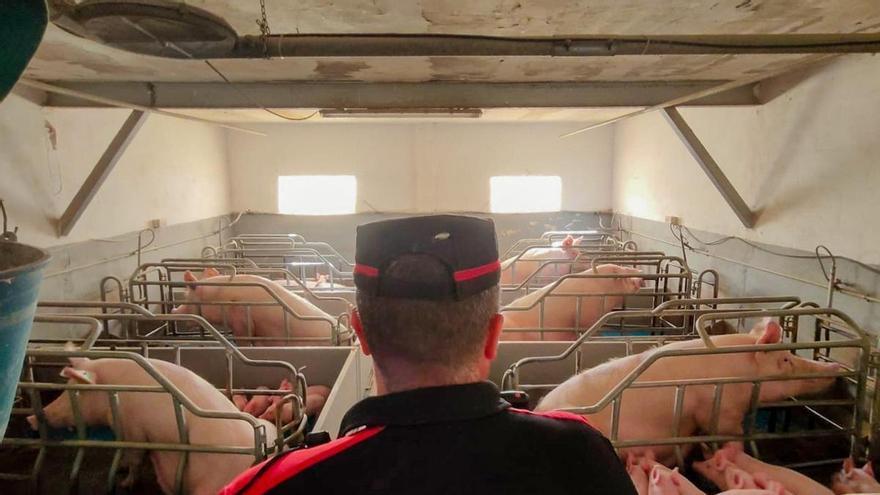
In January, the Canarian Police recommended five Tenerife livestock farms for fines following inspections that uncovered significant breaches in animal welfare, registration, and waste management.
In January, the Canarian Police's environmental protection unit inspected livestock farms in Tenerife. They found significant problems with how some farms were following the rules, which is a concern for this important island industry.
The police reported that these inspections, part of their 2026 plan, led to five farms being recommended for fines due to various rule breaches, with a strong focus on animal welfare.
Among the issues found, three farms weren't properly registered with the Canary Islands Livestock Farm Register (REGAC). This registration is a basic requirement for tracking animals and ensuring health standards. Without it, these farms operate without official oversight, which could put animal health and food safety at risk. In one of these cases, the farm also didn't have a required license to operate as an animal facility – a license needed for any place that keeps, breeds, or sells animals. This meant there was no official check on how the farm was managed or the welfare of its animals.
Additionally, two other farms were cited for not properly managing animal by-products (SANDACH), which are animal parts or waste not meant for human consumption. Not properly disposing of animal carcasses or waste poses a big risk to public health and the environment. If not handled correctly according to European and national rules, they can spread diseases or pollution.
These inspections are part of the 2026 Inspection Plan for Livestock Farms. This plan aims to ensure farms follow all laws concerning animal health, welfare, safety, identification, and registration. Its goals include checking farm conditions, preventing health and environmental dangers, and fixing any problems. The plan also aims to increase police presence in rural areas and work closely with farmers. Thanks to this plan, the Canarian Police have increased their work in rural areas, providing effective oversight and focusing on prevention and education.
Livestock farming is a vital part of Tenerife's economy and culture. The island has various types of farms: goat farms, known for adapting to mountainous terrain and producing local cheeses; sheep farms, raising animals for wool and meat; cattle farms, providing milk and meat for island consumption; and poultry farms, supplying chicken and eggs. Proper rules and oversight for these activities are essential for the long-term health and safety of this important industry.