
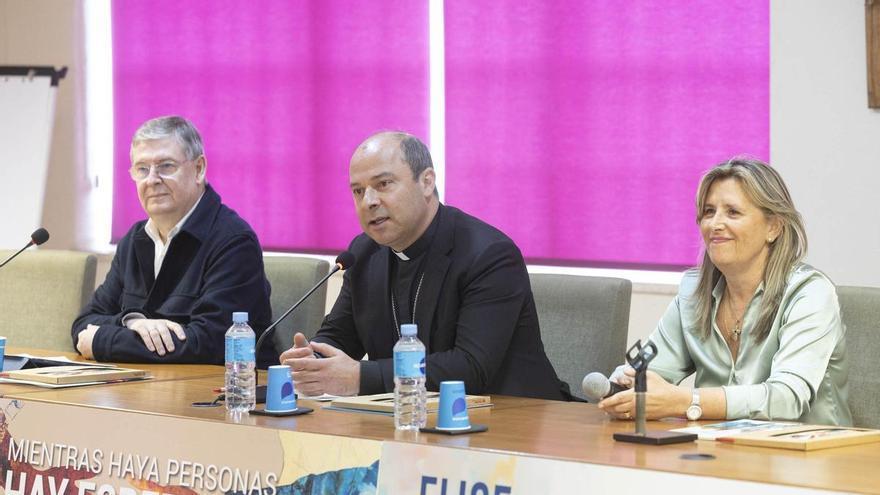
Cáritas Report Highlights Persistent Poverty and Inequality in Tenerife
A new report from Cáritas Diocesana of Tenerife reveals that despite economic growth, persistent poverty and housing instability continue to affect thousands, highlighting significant gaps in current social support systems.
The latest annual report from Cáritas Diocesana of Tenerife paints a concerning picture of persistent inequality in the Canary Islands. While general economic indicators have improved over the past year, the organization still had to assist 12,466 people in the western province—roughly 1% of the local population. Cáritas notes that these figures prove current public support systems are failing to curb poverty, which is becoming a chronic issue in the region.
The data highlights a clear divide based on origin and gender. Nearly two-thirds of those seeking help (63.9%) are migrants, primarily from Latin America: 33% from Venezuela, 10% from Cuba, and 7% from Colombia. Women are disproportionately affected, making up 58.8% of those assisted, with most falling between the ages of 45 and 60. Cáritas attributes this to structural barriers, such as a lack of legal residency and limited awareness of basic rights, which leave 48% of the foreign population at risk of social exclusion.
The report also sheds light on homelessness. Cáritas’s street outreach teams report that the majority of people living on the streets are European citizens. Experts suggest this is the result of long-term housing instability; many who have lived on the islands for years have ended up in caravans or informal settlements, creating a cycle of housing insecurity that is difficult to break.
Juan Rognoni, head of Cáritas, has questioned the effectiveness of current government policies. He argues that while measures like the Minimum Vital Income and minimum wage increases have helped lower the number of people needing aid since the La Palma volcanic eruption, they do not address the root causes of poverty. Rognoni believes the solution lies in major reforms to the labor market and, more importantly, improved access to housing.
The Bishop of the Diocese of Tenerife, Eloy Santiago, has called on society to move past indifference and rejection. With Pope Leo XIV’s upcoming visit to the islands, the Church is emphasizing that poverty and migration must be addressed through the lens of human dignity. They remind the public that as social safety nets continue to weaken, anyone could find themselves in a vulnerable position.