
Buenavista del Norte: Tenerife's Second-Highest Per-Capita Debt
Buenavista del Norte, a small, sparsely populated Tenerife town, now holds the island's second-highest debt per person due to significant co-funded infrastructure and tourism projects.
Buenavista del Norte, a town on the northwest tip of Tenerife, is surrounded by the Teno mountains and the Atlantic Ocean. It's one of the island's least populated areas. Yet, its financial situation makes it stand out for a different reason: it has one of the highest debts per person in Tenerife.
Figures from the Ministry of Finance show that the local council ended the 2024 financial year owing 1.69 million euros. This works out to 362 euros for every resident. Only Santa Cruz de Tenerife has a higher debt per person, at 457 euros per inhabitant.
With just 4,692 residents, according to the National Institute of Statistics (INE), Buenavista del Norte is the fourth smallest municipality on the island by population, only larger than Vilaflor, El Tanque, and Fasnia.
Buenavista del Norte is currently co-funding four projects, all started within the last two financial years.
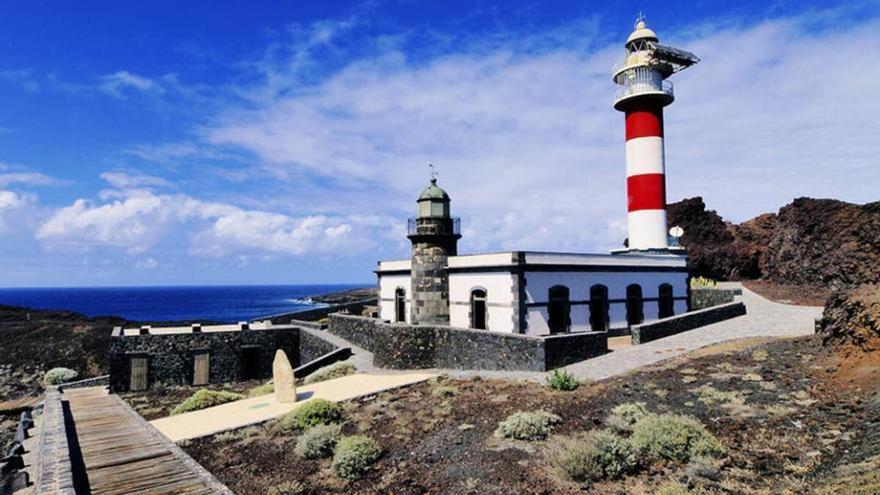
One major project is the full renovation of the Punta de Teno lighthouse. This historic coastal spot is being turned into a visitor centre and cafe. Work began a few months ago, with a budget of 1.6 million euros from the Recovery Plan-Next Generation fund.
The Island Council (Cabildo) is leading this work, but the local Town Council is paying for the outdoor landscaping and building materials. To cover these costs, the town has taken out a temporary loan, which adds to its debt until the European funds are released.
Additionally, the municipality has to pay 106,155 euros upfront for an 'urban-tourism package,' also waiting for European reimbursement. This package includes renovating the playground in General Eulate square (41,461 euros), enclosing the Casa Matula courtyard (17,223 euros), and installing bollards in the pedestrian areas of Los Remedios square (44,471 euros).
Another project is in sports: replacing the paving and fencing at the San Francisco Sports Centre, costing 262,684 euros as part of the Island Sports Infrastructure Plan. While the Island Council covers most of this, the Town Council is paying for the project's design and 10% of the construction, also using a bank loan.
Lastly, the restoration of the old San Francisco Convent, a protected cultural site, is costing 300,654 euros through the Island Historical Heritage Program. The Island Council pays 90%, and the local council covers the remaining 10%. This contribution adds to the town's debt as it's paid in instalments over the four years of the project.
Currently, Buenavista's finances are within legal limits. However, any delays in receiving European funding or a decrease in tourism could put a significant strain on the town's budget.
These projects explain why a town with fewer than 5,000 residents and an annual budget of about 5 million euros now has the second-highest debt per person in Tenerife.
But these projects aren't the only reason. The local economy relies on subtropical farming (like bananas and avocados) and rural tourism.
The town has few businesses, which limits its own income from things like property tax and fees. This often forces the council to take out bank loans for important investments.
Founded in 1510, Buenavista del Norte boasts a historic centre with charming single-story houses and cobbled streets. The area draws visitors who come for the rugged beauty of the Teno Rural Park, known for its cliffs, laurel forests, and scenic trails, including one that leads to Los Gigantes.
Another draw is Punta de Teno, where the lighthouse, currently being restored, will soon feature a visitor centre and a cafe with stunning ocean views.
The town's future success depends on these debts turning into worthwhile investments. The hope is that more visitors will come, generating more business and helping to pay off the loans.
Because of all this, Buenavista del Norte highlights a common challenge for many small tourist towns: a small population with big ambitions. While the lighthouse renovation and town improvements could boost the local economy, they could also increase the financial burden if the expected benefits don't materialise quickly enough.
For now, the town holds onto its dual identity: a peaceful rural retreat in the island's northwest, and yet, one of Tenerife's most indebted councils per resident.