
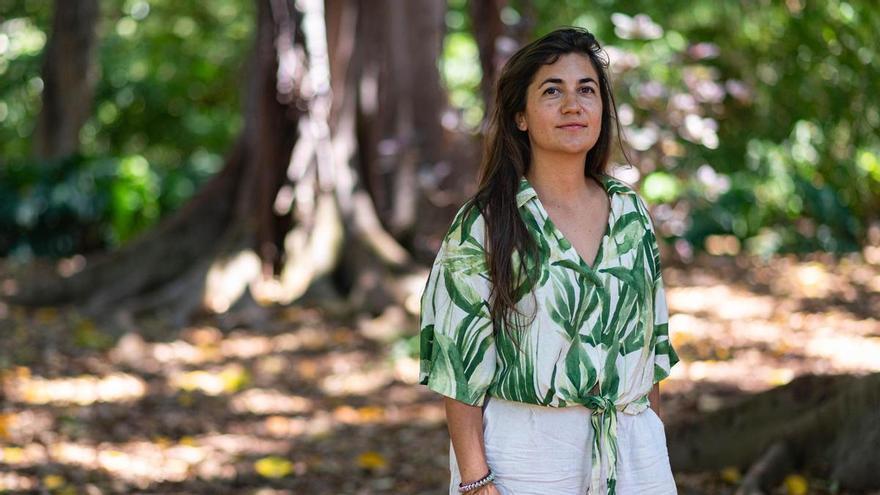
Biologist Urges Integration of Cultural Identity into Canary Islands Conservation Efforts
Biologist Atteneri Rivero argues that protecting the Canary Islands' biodiversity requires integrating traditional ecological knowledge and cultural identity into environmental management to counter the negative impacts of mass tourism.
Protecting biodiversity in the Canary Islands is not just a technical task; it is deeply tied to the cultural identity of the people who live there. In a recent interview with El Diario, biologist Atteneri Rivero, a native of Granadilla de Abona, argued that environmental protection fails when it ignores the collective memory and traditional ways communities have interacted with their land.
Rivero focuses on "biocultural diversity"—a concept well-established in Latin America that is now becoming a vital tool for environmental management in the islands. She explains that there is a direct link between the variety of local plant and animal species and the identity of the people. However, this bond is under threat from a development model that favors overcrowding and treats the landscape merely as a backdrop for tourism.
The expert warns that we are losing traditional ecological knowledge—the practical wisdom that once helped locals understand weather patterns, plant life, and coastal changes. Losing this heritage, from local names for plants to sustainable farming techniques, makes it harder for the islands to adapt to climate change. Rivero emphasizes that until we recognize the true value of our ecosystems—such as how they manage water and soil—we will continue to view nature as a decoration rather than a foundation for our survival.
Rivero is particularly concerned about areas like El Médano, where the shift toward a service-based economy has weakened the community’s sense of belonging. She argues that we must bridge the gap between natural and social sciences. By treating tradition as a living, evolving part of society rather than a relic of the past, we can better protect critical ecosystems like tabaibales and cardonales, ensuring that future generations remain active, responsible stewards of the environment that defines them.