
Binta Claire Sy’s ‘La hija del viento’ Highlights Human Stories Behind Migration
Binta Claire Sy’s new poetry collection, La hija del viento, offers a poignant, personal perspective on the migration journey from Senegal to the Canary Islands to humanize the experiences of young refugees.
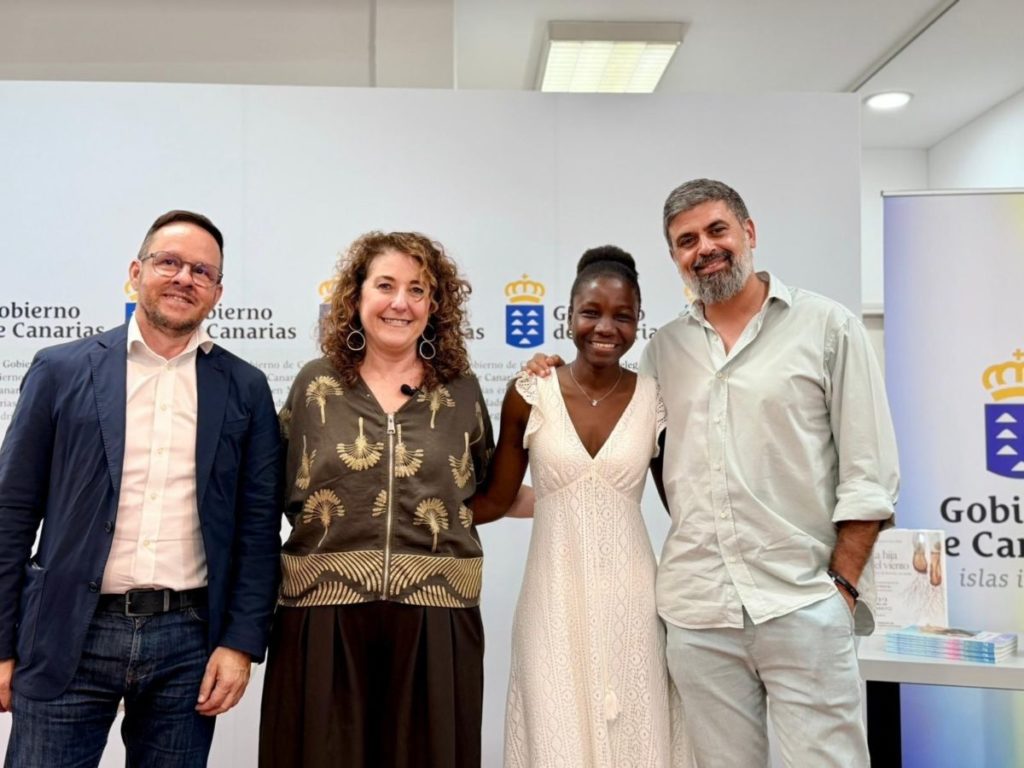
Literature is often the best way to put a human face on migration statistics, a point proven once again at the recent Madrid presentation of La hija del viento (The Daughter of the Wind). As reported by the Government of the Canary Islands, this poetry collection by Binta Claire Sy is more than just a book; it is a generational account of the journey from Senegal to the Canary Islands.
The event, held at the Government Delegation headquarters, featured a conversation between the author and journalist Nicolás Castellano about how writing can turn personal struggles into a message for everyone. The book, which includes illustrations by Fa Sanjurjo and an introduction by journalist José Naranjo, tells a story of resilience through the eyes of a 15-year-old girl. The session was attended by figures including Deputy Minister Octavio Caraballo and Mónica López, director of the Spanish Commission for Refugees (CEAR), who all stressed the importance of highlighting the individual lives behind migration numbers.
A short film directed by photographer Juan Luis Rod and journalist Pepe Naranjo was also shown, tracing the author’s life from her home country to her current life in the Canary Islands, where she has found a sense of belonging through sports. The project aims to give a voice not only to Sy but to all the young people who face dangerous journeys in search of a better future.
These types of cultural projects are especially important today, as the debate over border control and the treatment of unaccompanied minors remains a major issue in Spanish politics. By moving the focus from bureaucracy to personal stories, the book encourages a more empathetic view of migration, using storytelling to challenge the stereotypes often faced by those arriving on our shores.