
Beyond Science: How Solar Eclipses Have Shaped Art and Culture
As Spain hosts the latest total solar eclipse, the celestial event continues to serve as a profound source of inspiration across literature, music, film, and the visual arts.
Spain is currently the global center for observing this Wednesday’s total solar eclipse, but the event is more than just a scientific curiosity—it is a powerful cultural phenomenon that has long inspired artists. Throughout history, the sudden darkening of the sun has been used as a dramatic tool to explore everything from existential questions to major plot twists.
In literature, authors have often used eclipses to build tension or save their characters. Mark Twain used astronomical knowledge to help his protagonist survive in A Connecticut Yankee in King Arthur's Court, and Hergé famously used an eclipse to rescue the characters in The Adventures of Tintin. Other writers have taken a darker approach: Stephen King has used the eclipse to frame stories of trauma and violence, while Virginia Woolf and Annie Dillard have written moving accounts of the sensory and psychological impact of the sun’s brief disappearance.
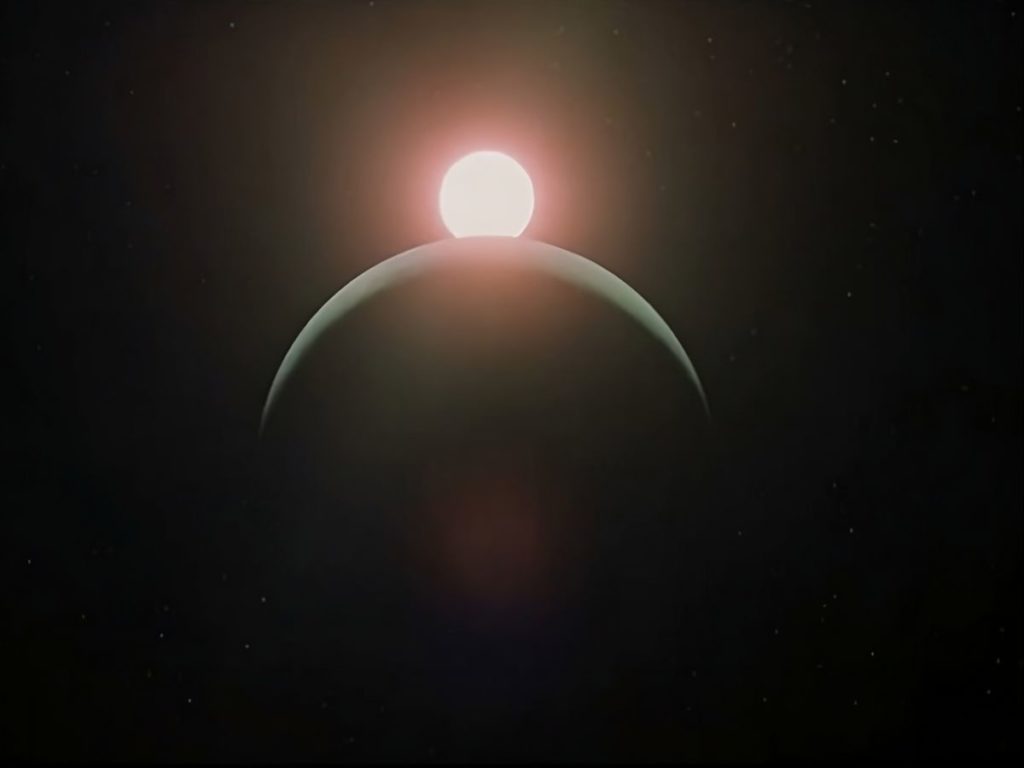
This symbolism of change and endings also appears frequently in music and film. Stanley Kubrick’s 2001: A Space Odyssey set a new standard for how we visualize cosmic alignments on screen. In music, Pink Floyd’s The Dark Side of the Moon and David Bowie’s final album, Blackstar, both use the eclipse to explore themes of harmony and existence. Today, the motif remains a staple in popular culture, appearing in everything from Guillermo del Toro’s science fiction to modern mystery novels and television series.
The visual arts have also been captivated by the solar corona for centuries. From Baroque painters like Cosmas Damian Asam to 20th-century icons like Frida Kahlo and Alma Thomas, artists have used the eclipse to explore themes of identity, space, and drama. From the works of Rubens to today’s digital media, the solar eclipse remains a powerful catalyst that continues to challenge our perception and fuel our collective imagination.