
Authorities Dismantle Network Illegally Exporting Hazardous Waste to Africa
Spanish authorities have dismantled a criminal network that illegally exported over 700 tons of hazardous waste to Africa by forging customs documents to disguise the materials as second-hand goods.
Authorities have dismantled a criminal network that was illegally shipping hazardous waste from the Canary Islands to Africa, exposing significant gaps in export controls. A joint operation by the Civil Guard and the Customs Surveillance Service has led to the investigation of 32 people and four companies based in Tenerife, Gran Canaria, and Mallorca for environmental crimes.
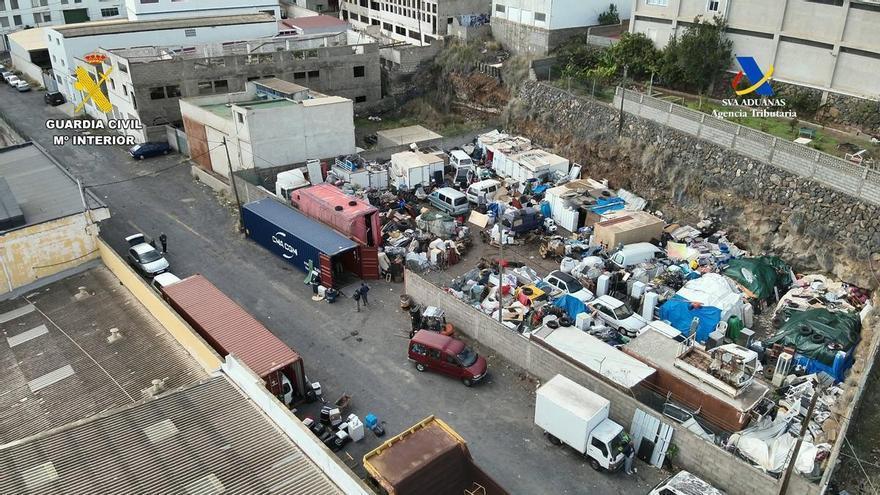
According to investigators, the group systematically shipped 650 tons of hazardous materials and 86 tons of conventional waste, worth an estimated 800,000 euros. They operated by forging documents to disguise industrial waste as second-hand goods. Among the items seized were refrigeration motors and compressors that had not been properly decontaminated, posing a serious risk of releasing harmful gases. The network also smuggled automotive parts, nearly 38 tons of fire extinguishers, and various vehicles by using fake invoices to bypass inspections at the port of Santa Cruz de Tenerife.
This case highlights ongoing concerns about compliance with the Basel Convention, which governs the international movement of hazardous waste. European laws are particularly strict regarding the export of electrical and electronic equipment, which requires careful handling to protect public health and the environment.
The investigation revealed that the group operated through two main hubs: a logistics center in Gran Canaria that managed shipping containers, and a collection point in Tenerife that handled the waste and falsified the necessary paperwork. To cover their tracks, the group used various companies to issue invoices in the names of third parties, some of whom were unaware their identities were being used. This method allowed the group to bypass port security and hide the waste’s origin, effectively exporting their environmental impact to other countries.