
At 96, Palestinian Artist Mansueto Zerené Continues to Document Canary Islands History Through Art
At 96 years old, Palestinian-born artist Mansueto Zerené continues to paint in Tenerife, where he seeks a permanent museum home for his extensive collection documenting the history and ethnography of the Canary Islands.
At 96 years old, Palestinian artist Mansueto Zerené continues to paint daily in La Laguna, Tenerife. As recently reported by Diario de Avisos, his life and work serve as a remarkable example of cultural integration and artistic dedication. Born in Beit Jala in 1929, Zerené has spent decades bridging the gap between his Palestinian roots and the history of the Canary Islands, where he has lived since the 1960s.
Zerené’s creative journey has been shaped by personal challenges, including the early loss of his father and a difficult family separation. After studying Fine Arts in Lebanon and technical subjects in Paris, he moved away from a planned religious career. He arrived in Spain in 1960, where he worked as a multilingual tour guide and a businessman. It was only after retiring that he was able to fully commit himself to his art.
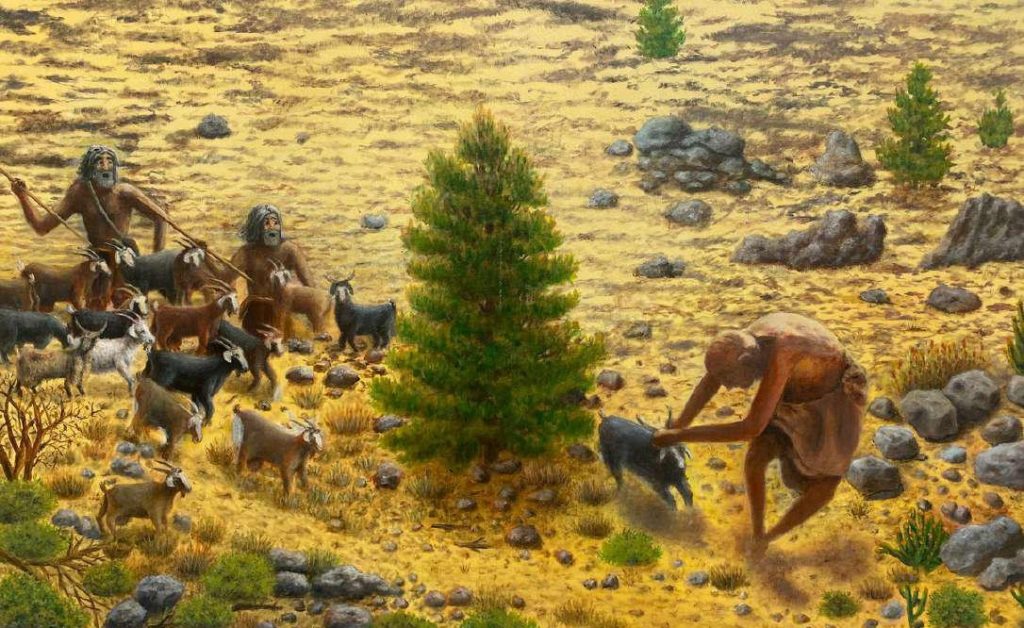
His work is deeply rooted in history. His series The Guanches and Their Conquerors, which features 43 oil paintings, is a meticulous effort to document the ethnography and history of the Canary Islands. He began this project in the late 1990s, applying the same research skills he once used in the tourism industry. He has also reinterpreted Velázquez’s Las Meninas by dressing the figures in traditional Canarian clothing, highlighting his interest in blending European art traditions with local heritage.
Zerené’s work also raises an important conversation about how Spain preserves the artistic legacies of its foreign-born residents. The artist hopes that his collection—which represents decades of study and observation of island history—will eventually find a permanent home in a museum. His wish reflects a desire to see external perspectives integrated into the Canary Islands’ cultural narrative, honoring the unique way he has interpreted and celebrated the archipelago’s collective memory.