
ASINCA Urges Shift Toward Local Manufacturing to Reduce Canary Islands' Tourism Reliance
The Industrial Association of the Canary Islands (ASINCA) has unveiled a 2026–2027 strategic roadmap urging the government to reduce economic reliance on tourism by prioritizing local manufacturing and leveraging the region's fiscal protections.
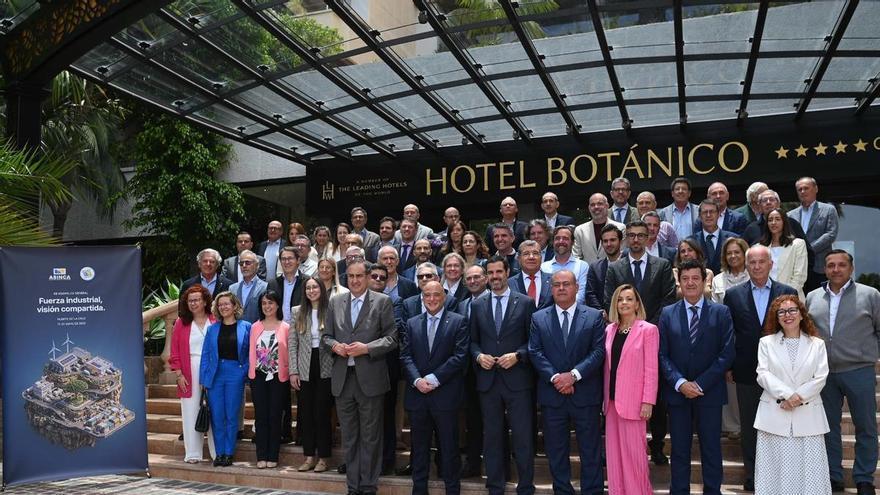
The Canary Islands’ industrial sector has set its strategic roadmap for 2026–2027, following a recent assembly held by the Industrial Association of the Canary Islands (ASINCA). Led by president Jorge Escuder Martín, the association is urging local government to prioritize manufacturing. They argue that the islands, which welcomed over 16 million tourists in 2024, have relied too heavily on the service and tourism sectors for too long.
ASINCA warns that the region’s heavy reliance on imports is a structural risk that can only be managed by boosting local production. The association strongly defends the Economic and Fiscal Regime (REF) and the Tax on Imports and Deliveries of Goods (AIEM). They emphasize that these are not optional perks, but essential measures to offset the high costs of operating in a remote, fragmented island territory, which puts local businesses at a disadvantage compared to mainland competitors.
A key part of the strategy for the next two years involves closer dialogue with European institutions. ASINCA insists that Article 349 of the Treaty on the Functioning of the European Union must move beyond rhetoric and become a practical legal tool. They are calling for EU regulations and ecological transitions to be implemented in a way that supports, rather than penalizes, island industries.
The association’s new action plan focuses on six key areas, with a major emphasis on capturing the local market. They believe the islands’ massive tourism industry is a missed opportunity for promoting locally made goods, and they aim to tap into this market to create stable jobs and a more resilient economy.
During the assembly, the organization also honored several figures for their contributions to the region. The Award for Canarian Industrial Work went to José Ramón Villalba González, CEO of CP5, S.A., while a posthumous award was given to Manuel Hermoso Varela for his influence on the islands' economy. Additionally, Binter Canarias received the 2026 Gold Insignia for its commitment to featuring "Made in the Canary Islands" products in its services—a model the association hopes others will follow.