
Arona Mayor Tackles Decade of Urban Planning Drift
Arona Mayor Fátima Lemes and city officials discussed the municipality's critical urban planning challenges, including outdated regulations, housing, and mobility, while outlining efforts to update its General Urban Plan.
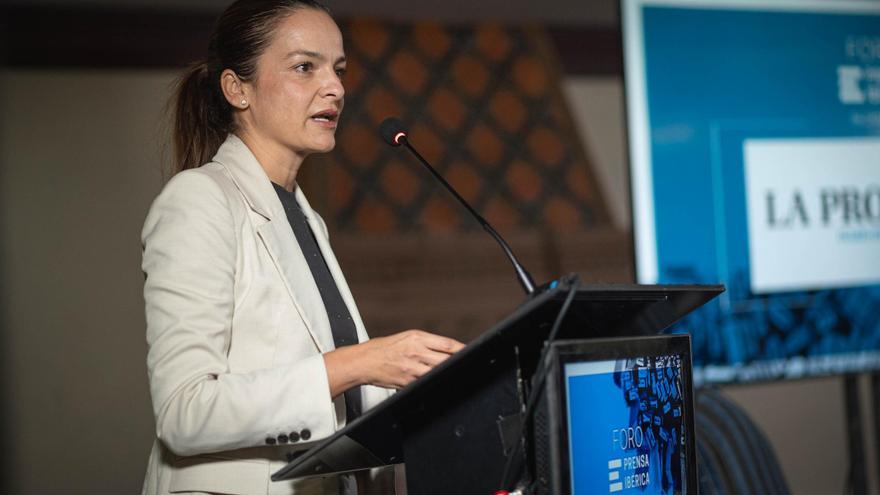
“When I started in politics, I knew Arona’s local government had been drifting for about ten years and needed to get back on track. Good urban planning was key to making that happen.” Arona’s mayor, Fátima Lemes (PP), stated this on Tuesday. She was discussing the reality of Arona, one of the Canary Island municipalities with the highest tourist activity, and the needs this generates.
Lemes opened the forum ‘Challenges for the Urban Future of Southern Tenerife,’ an event organized by Prensa Ibérica and held at the Hotel Villa Cortés. The mayor admitted that “much remains to be done,” but also emphasized that in the two and a half years she has led the Arona council, “differences are noticeable.” She highlighted projects like El Mojón and the planned housing in Cho-Parque de la Reina.
The mayor indicated, “In Arona, we are now at a key moment, sorting out and updating years of delays.” This was a significant topic in the subsequent round table, which included Francisco Villar, Professor of Administrative Law at the University of La Laguna; Javier Baute, Arona City Council’s Councilor for Urban Planning and Territorial Management; and Damián Hernández, Head of the Urban Discipline and Management Service for the Arona council.
Baute pointed out that an internal audit conducted months ago identified 448 major building permits that were still pending. He explained that the municipal plan involves continuing to make minor changes to the General Urban Plan (PGO) and later attempting to push through a new, comprehensive document.
Damián Hernández agreed with Baute, identifying housing and mobility as the municipality’s main challenges. Hernández presented an analysis that highlighted two central issues in the current situation: the “obsolescence” of Arona’s existing planning and holiday housing. He also noted a serious problem with illegal occupation.
“We are in a critical situation. Solutions must be sought, but they are only temporary fixes. The more infrastructure we propose, the more we will encourage people to move here,” stated the Head of the Urban Discipline and Management Service in another of his interventions. He also stressed the need for more staff in the Licensing Service and suggested possible collaboration with entities such as Gestur or Gesplan to address the administrative backlog.
Francisco Villar, for his part, discussed the possibilities offered by the current legal framework. He reflected, “Are we going to stop life until we have the best plan?” emphasizing the urgent need for cities to adopt measures promptly. Among other points, he highlighted the importance of incentivizing private investors for housing and mentioned the relevance of completing the island ring road for mobility.