
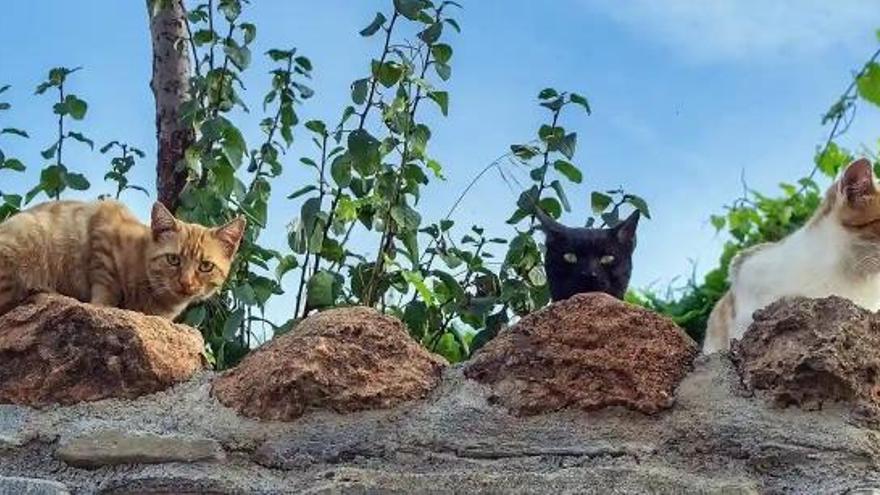
Arona Implements New Strategy to Manage Urban Cat Colonies
The Arona City Council in Tenerife is implementing a structured Trap-Neuter-Return program to manage urban cat populations and protect local wildlife under Spain's new Animal Welfare Law.
Managing urban cat populations has become a major challenge for Spanish towns following the introduction of the new Animal Welfare Law. In Tenerife, the Arona City Council has successfully organized the care of 1,110 cats living in 76 colonies, aiming to protect the animals while preserving the local environment.
Led by Clari Pérez, the Animal Welfare department is using the "Trap-Neuter-Return" (TNR) method as its main strategy. So far, 294 cats have been sterilized, accounting for nearly 27% of the total population. This work is especially important near protected areas, where 20 of these colonies are located, requiring extra monitoring to protect native wildlife.
The council’s efforts go beyond population control. Records show that 133 cats have received veterinary check-ups, 85 sick cats have been treated, and 25 kittens have been rescued. Additionally, the team has resolved 105 administrative issues and successfully found homes for 11 adult cats.
Local officials noted that this new, organized approach replaces a previous lack of planning. The project relies heavily on a dedicated network of volunteers and authorized managers, whom the council describes as the backbone of the initiative.
Arona is now asking the public to help keep the census accurate. Residents are encouraged to report any unregistered cat colonies by calling 010. This same number can be used by anyone interested in adopting a cat that has been socialized and is ready for a home. This initiative highlights a growing trend across Spain, as municipalities move away from past neglect toward a more professional, supervised model of animal health and population management.