
Arona Council Urged to Repurpose Public Land for Social Housing Amid Tenerife Crisis
The political group Más por Arona has proposed rezoning public land in the El Mojón area to prioritize the construction of social housing over previously planned cultural and sports facilities to address Tenerife's critical housing crisis.
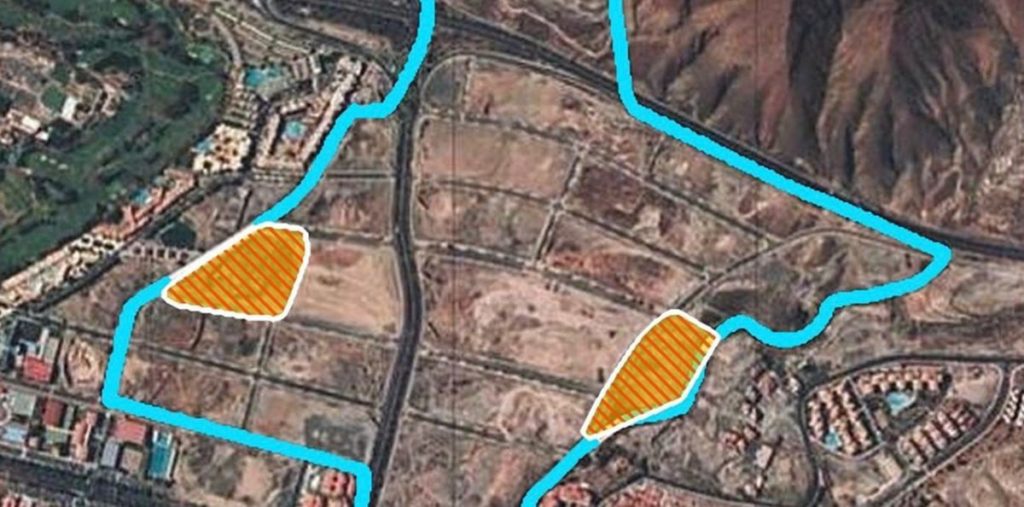
The housing crisis in southern Tenerife has reached a critical point, forcing a rethink of urban planning strategies from recent decades. The political group Más por Arona has filed a motion for the next council meeting to repurpose three public plots in the El Mojón area. They are proposing to change the zoning of these lands—currently designated for sports, culture, and education—to allow for the construction of social housing, aiming to help local residents struggling to find affordable homes.
El Mojón is a strategic 908,000-square-meter area connecting Los Cristianos, Chayofa, and the Hospital del Sur. Development there has been stalled for over 30 years due to technical issues. Following a land handover last September, the Arona City Council now manages 332,900 square meters, or 36% of the total site. This land includes space for roads, pedestrian paths, and specific reserves for educational, sports, and cultural facilities, as well as two large green spaces.
The current debate centers on whether to stick to older projects, such as a 2019 convention center design, or to prioritize urgent housing needs. Luis García, spokesperson for Más por Arona, argues that the current development model—which reserves nearly 60% of private land for residential use—is failing local people. The group believes that tourism pressure, the rise of vacation rentals, and a lack of public housing are forcing residents out of their own neighborhoods.
This proposal challenges the municipality’s growth model, which currently includes plans for 9,000 new hotel beds in the area. By rezoning these public plots, the party hopes to prevent a "generational exodus," urging the council to prioritize the right to housing over facilities planned in a socioeconomic context that has changed drastically over the last few decades.