
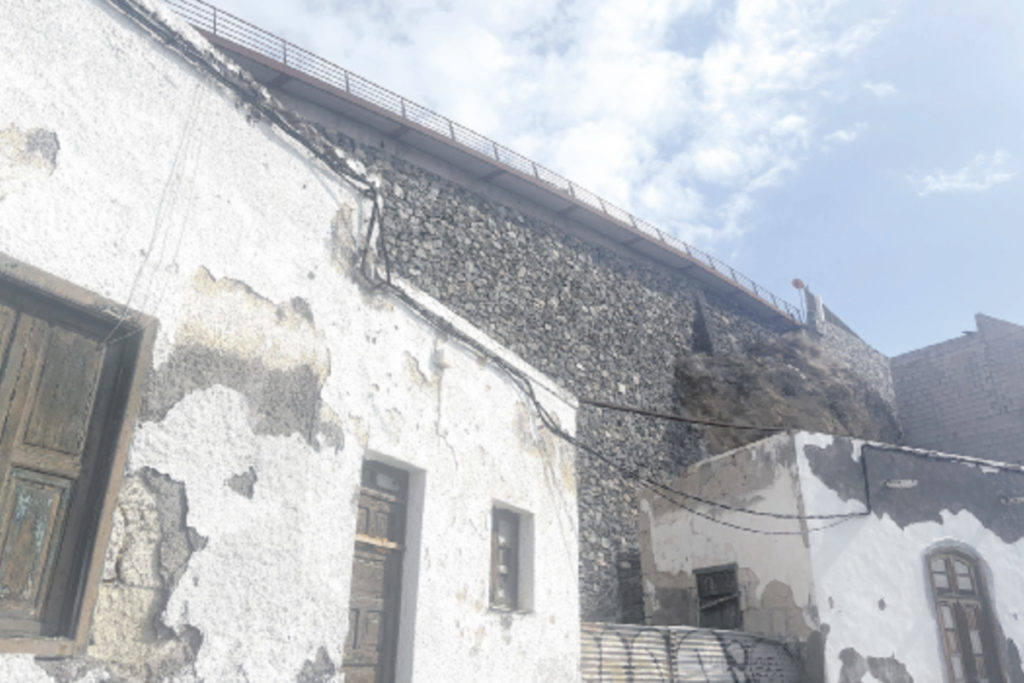
Arico Residents to Return Home After 20-Year Landslide Dispute
The Tenerife Island Council is nearing the end of a nearly 20-year legal battle by restoring two homes damaged by a 2008 landslide, though a third resident remains excluded due to procedural documentation errors.
A long-standing administrative dispute in Arico is finally nearing its end, highlighting the complexities of public liability. According to Diario de Avisos, the Tenerife Island Council (Cabildo) has finished restoring two properties in El Porís de Abona that were damaged by a 2008 landslide linked to the construction of the TF-625 road. Residents are expected to move back into their homes early next year, concluding a nearly 20-year legal battle.
The issue began in 2006, when the Cabildo declared an emergency to stabilize slopes along the road. Technical reports from the time show that excavation and foundation work were hampered by limited access to private land and vibrations from nearby construction. After a retaining wall partially collapsed in June 2008, the Cabildo demolished part of the structure and created temporary detours through the Bahía Azul neighborhood, with repairs continuing until 2009.
This case highlights how rigid liability procedures can be, often forcing citizens to rely solely on the courts for compensation. While two homeowners won judgments requiring the administration to repair their properties, a third resident has been left behind. Her claim was dismissed due to a documentation error, despite her home suffering similar structural damage.
The Cabildo maintains that it can only intervene when a court order or a favorable administrative ruling exists. Officials state they cannot act on her behalf without a final judgment. Meanwhile, the resident argues that she cooperated with technicians during the construction under the impression that all affected homes would be repaired. Her case was ultimately dismissed because she failed to provide the necessary property deeds. This situation underscores the challenges citizens face when bureaucratic hurdles and procedural errors prevent them from receiving compensation for damages caused by public works.