
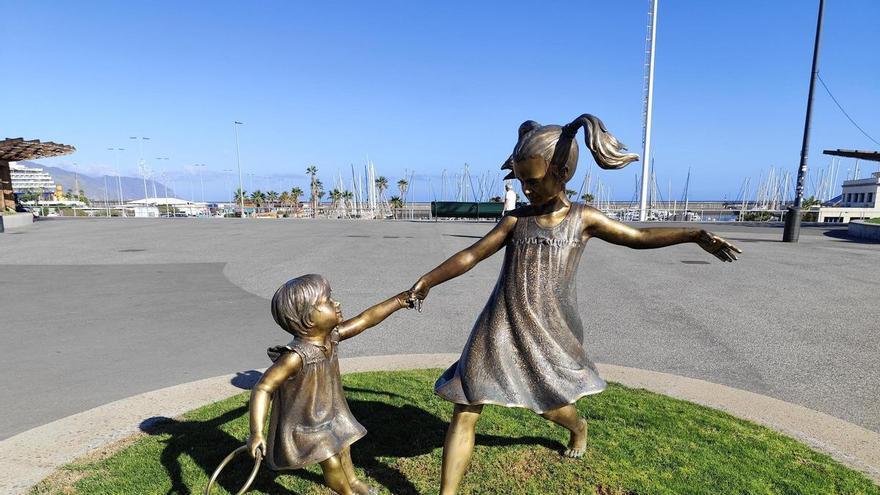
Anna and Olivia Case Sparks Reform in Spain’s Handling of Vicarious Violence
The 2021 disappearance and murder of Anna and Olivia in Tenerife has become a defining case in Spain, exposing critical flaws in child protection and sparking national reform regarding the handling of vicarious violence.
The disappearance of Anna and Olivia in Tenerife in April 2021 was more than just a tragic crime; it became a turning point for how Spain handles "vicarious violence"—a form of abuse where children are used as tools to inflict maximum pain on a parent. The case exposed deep flaws in child protection protocols and forced a national conversation about how the justice system responds to threats in domestic disputes.
The investigation revealed that the girls' father, Tomás Gimeno, had carried out a premeditated plan to harm their mother, Beatriz Zimmermann. On April 27, 2021, after a scheduled visit, Gimeno failed to return the children, beginning a calculated effort to hide them. A massive search operation followed, involving the oceanographic vessel Ángeles Alvariño. After 392 hours of underwater exploration covering 250 square kilometers, a remote-operated robot discovered Olivia’s body at a depth of 1,000 meters. Anna’s body was never found. In March 2022, the court provisionally closed the case, as the only suspect could not be located or prosecuted.
Legal experts, including the family’s lawyer, José Manuel Niederleytner, point to this tragedy as a wake-up call regarding the early detection of threats during high-conflict separations. The chilling words Gimeno spoke to the mother—“you will never see your daughters again”—have since become a symbol of the dangers of vicarious violence.
The case also sparked an unprecedented public response. Citizens across Spain and even internationally helped track potential leads, reflecting the depth of the public’s shock. The family also credited the Civil Guard for their tireless work under incredibly difficult conditions to uncover the truth.
Today, the memory of Anna and Olivia serves as a somber reminder of the need for stronger legal protections for children. With 68 children killed in cases of gender-based violence in Spain since 2013, this tragedy has left a permanent mark on the judicial system, changing how authorities view verbal threats and highlighting the urgent need for faster, more effective action in high-risk family situations.