
Ancient DNA Links Canary Lentils to First Settlers
Scientists extracted DNA from ancient lentil seeds in Gran Canaria's volcanic storage pits, revealing that today's varieties are direct descendants of those brought by Berber settlers around 300 AD, a finding published in National Geographic.
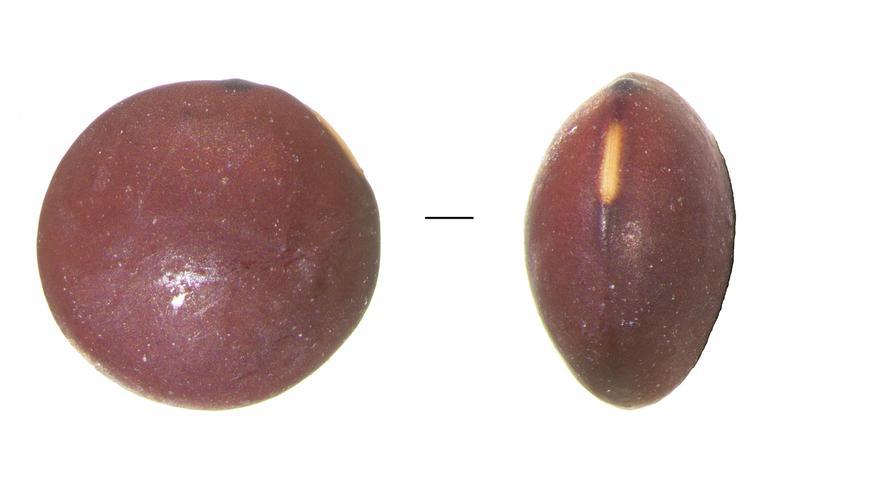
Scientists have made an interesting archaeological discovery, published in National Geographic. Researchers from the University of Las Palmas de Gran Canaria and Linköping University in Sweden studied tiny lentil seeds found in ancient storage pits carved into the volcanic rock of Gran Canaria. Using modern genetic techniques, they were able to extract DNA from these thousands-of-years-old seeds and uncover where they originally came from.
This study, the first of its kind in the Canary Islands, found that the lentils grown and eaten there today are direct descendants of varieties brought by the first Berber settlers around 300 AD. Jenny Hagenblad, the Swedish geneticist who led the research, noted that even though the native population significantly decreased after Europeans arrived, the new settlers continued to grow these original crops.
The research also showed how important indigenous women were in keeping these farming traditions alive. It's thought that their knowledge of which crops to plant and how to care for them was crucial for these lentil varieties to survive until Europeans arrived in the 14th century.
The seeds they analyzed came from underground storage pits, or 'silos,' that were carved into the volcanic rock. Ancient Canarians designed these to store grains and legumes for a long time. This clever method kept some seeds in such good condition that, centuries later, scientists could extract their DNA and learn vital details about the islands' farming history.
Scientists also confirmed that today's lentils across the islands show genetic differences, meaning the Canary Islands still have a rich variety of crops. Jonathan Santana, from the University of Las Palmas de Gran Canaria, believes this genetic variety could be vital for creating crops that can better withstand climate change in the future.
This project received funding from the European Research Council (ERC) and the Spanish Ministry of Science and Innovation. The genomic analysis was carried out at Sweden's National Academic Infrastructure for Supercomputing. The researchers highlight that this discovery doesn't just confirm the historical importance of farming in the Canary Islands; it also creates new possibilities for studying how crops adapt and can be preserved in island settings.