
Anaga’s Catalanes Hamlet Struggles to Survive Amid Strict Environmental Regulations
The remote hamlet of Catalanes in Tenerife’s Anaga Rural Park faces a struggle for survival as strict environmental regulations and a lack of services threaten to displace its remaining residents and erase its historical identity.
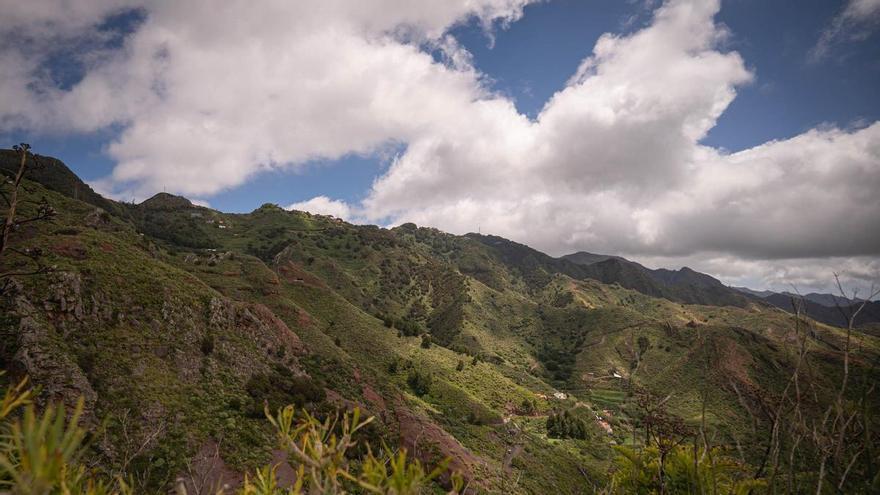
The hamlet of Catalanes, located in the heart of the Anaga Rural Park, is at a turning point that threatens its historical identity. Once a thriving community, the settlement saw a mass exodus in the 1960s and 70s. Today, only about fifteen permanent residents remain, working to preserve their ancestors' legacy despite a lack of basic services.
The village highlights the ongoing tension between protecting rural heritage and the strict environmental laws governing the Anaga massif. Because land-use regulations prevent the expansion of existing homes or the construction of new ones, younger generations are effectively pushed away. Combined with a lack of public transport and a heavy reliance on services in nearby towns like La Laguna, staying in Catalanes has become a difficult challenge for those who live there.
Despite its small size, the community remains close-knit. The annual San José Obrero festivities bring former residents and their descendants back to the hamlet, keeping a sense of belonging alive. This "local diaspora" is vital to the village's survival; thanks to the dedication of families like the Siverio Santanas, the area has avoided becoming a ghost town.
Sociologically, Catalanes is a prime example of the "emptied Spain" phenomenon occurring in island settings. As the local economy shifted away from traditional agriculture and livestock, the elderly population became increasingly vulnerable. Experts suggest that on-demand transport could be a practical solution, helping residents like Saturnina López maintain their independence without relying solely on family members.
Ultimately, the future of Catalanes rests on a delicate balance: the need to relax land-use policies to encourage younger generations to stay, versus the necessity of protecting a fragile, high-value ecosystem. For now, life in the valley continues, defined by a mix of historic cave dwellings and modern homes, and the resilience of a community determined to hold onto the place their elders once called home.