
Anaga Residents Struggle as Lack of Basic Services Threatens Rural Survival
Residents of the remote El Cresal hamlet in Tenerife’s Anaga Massif are calling for essential public services as strict environmental protections leave them without reliable access to water, electricity, and waste management.
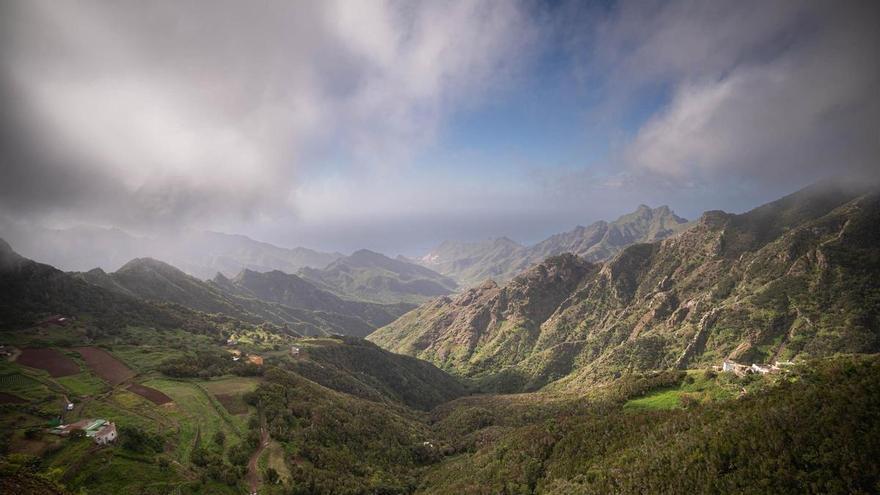
The future of rural communities in the Anaga Massif is under threat as residents struggle with a lack of basic services. A recent report by Diario de Avisos highlights the hamlet of El Cresal in Santa Cruz de Tenerife as a prime example of the tension between environmental conservation and the right to a modern standard of living. With no access to a public water supply or the electrical grid, the fifteen people living there must rely on self-managed, traditional solutions to survive.
Located twelve kilometers from San Andrés, El Cresal faces an administrative paradox: while the area is protected as a Biosphere Reserve, residents claim that this status has led to an institutional deadlock, preventing necessary infrastructure improvements. Resident Pedro Pérez notes that the absence of essential services is driving younger generations away, causing the population to plummet from 50 or 60 families to just fifteen.
Daily life in El Cresal is a logistical challenge. Without public utilities, residents collect water from fog using vegetation channels, supplement their supply with water trucks, and rely on solar panels for electricity. They are also responsible for maintaining their own private dirt and cement access road. Furthermore, the lack of municipal services like waste collection—with the nearest drop-off point five kilometers away—forces residents to make constant trips just to manage basic needs.
This situation has sparked a debate over how the Anaga Rural Park is managed. The residents of El Cresal are not asking for luxuries; they are calling for the same equity and public services that any other municipal population center is legally entitled to. By neglecting these communities, which have historically sustained the region’s agriculture and livestock, authorities risk turning these vibrant settlements into abandoned spaces, leaving the remaining residents increasingly disconnected from the modern world.