
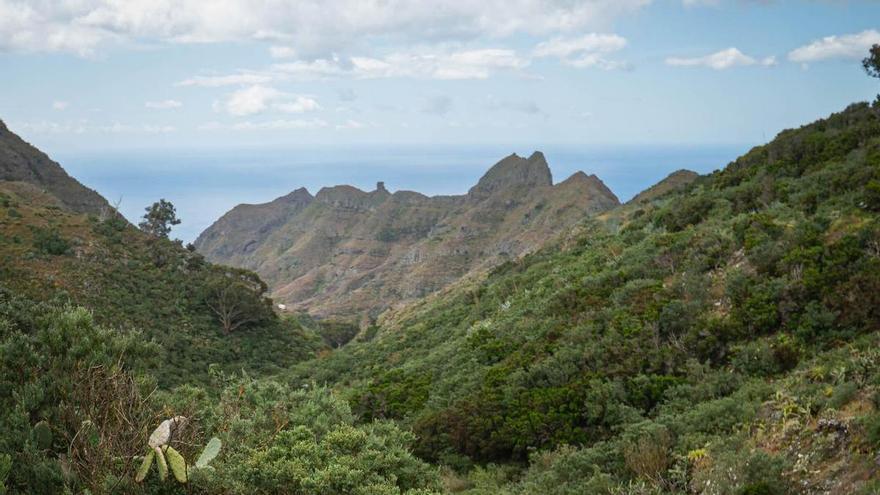
Anaga Residents Battle Environmental Restrictions to Preserve La Fortaleza Heritage
The Cabrera family is campaigning for improved access to the historic La Fortaleza settlement in Anaga Rural Park, highlighting the ongoing conflict between strict environmental regulations and the preservation of ancestral heritage.
The isolation of rural settlements in Anaga Rural Park has reignited a debate over land management and the preservation of local history. A recent report from El Día highlights the Cabrera family’s ongoing struggle to maintain access to La Fortaleza. Despite its cultural significance, the area is becoming increasingly abandoned due to strict environmental regulations and a lack of basic infrastructure.
Once home to fifty residents, the hamlet now serves as a symbol of the tension between protecting natural landscapes and the rights of former inhabitants to stay connected to their roots. Nicolás, Inocencia, Julia, and their cousin Teresa—known as Icha—are the last generation with a direct link to the settlement. Historically, life here relied on subsistence farming and shepherding, though the community always lacked essentials like electricity, running water, and healthcare.
The current conflict is about accessibility. Descendants of the families who lived in the hillside caves and dwellings are asking for a 500-to-600-meter extension to the existing forest track. This would complete the final stretch of the path, which they currently have to walk. According to the family, the project was already designed and funded, but its status as a protected area has stalled the second phase of construction. This leaves them with only a rugged, difficult path, making it nearly impossible for younger generations to visit.
The situation at La Fortaleza underscores the fragility of life in the Anaga highlands. While one permanent resident remains on the hillside with his livestock, the Cabrera family is fighting to ensure that institutional neglect does not erase their heritage. Their grandparents' home, now an improvised museum of old farming tools, and the stone structures built into the slope are the final reminders of a community that once thrived on bartering and self-sufficiency. Even after economic hardship forced many to move to areas like Valleseco or Geneto, the family continues to assert their right to remain connected to their ancestral home.