
ALS Patients in Spain Face Bureaucratic Hurdles Amid Rapid Disease Progression
Patients with ALS in Spain are facing a critical gap between the rapid progression of their disease and a slow, bureaucratic dependency care system that often leaves families struggling to secure essential support.
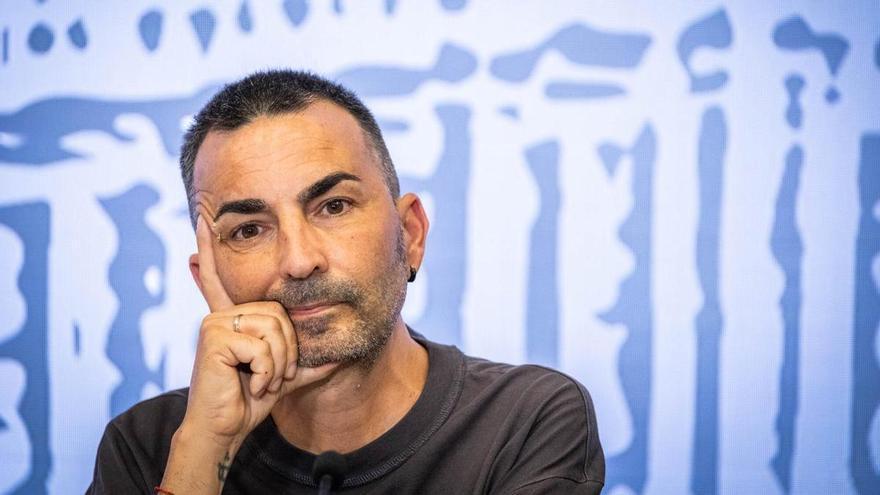
Managing Amyotrophic Lateral Sclerosis (ALS) in Spain is a struggle that goes far beyond medical treatment; it is a grueling bureaucratic and financial obstacle course. The story of Adrián Díaz, a 44-year-old from Tenerife diagnosed in January 2025, highlights how fragile the dependency care system is when faced with a disease that moves much faster than the government’s administrative processes.
Díaz, a former construction worker, is caught in the gap between the rapid progression of his illness and the slow pace of official assessments. While early diagnosis helped him maintain some mobility, his increasing need for care now clashes with the rigid requirements of the Dependency Law. Although a new "Grade III+" category was created for patients with critical needs—such as those requiring mechanical ventilation—it often forces patients to undergo repetitive, exhausting reviews for a condition that is, by nature, irreversible.
The financial burden is equally severe. Between the cost of modifying a home to be accessible and the loss of income for both Díaz and his partner, Gara Reyes, families are often left in a state of extreme vulnerability.
In this environment, non-profit organizations have become a lifeline. Programs like the Specialized Home Care Service (Sadela), run by the Teidela association and the Cabildo of Tenerife, fill the gaps left by the public system. They provide essential services like physiotherapy and psychological support, which are vital for the well-being of both patients and their families.
Díaz, who has been active in awareness events like the La Laguna ALS Race, echoes a common plea from the community: they need more than just individual resilience; they need better research funding and a stronger support network. While scientists work toward a cure for a disease that traps patients in a deteriorating body while leaving their minds intact, those affected are calling for more institutional empathy. They are pushing for more group therapy and community spaces, hoping to turn the isolation of an ALS diagnosis into a support network that can meet the severity of this disease with a truly effective social and political response.