
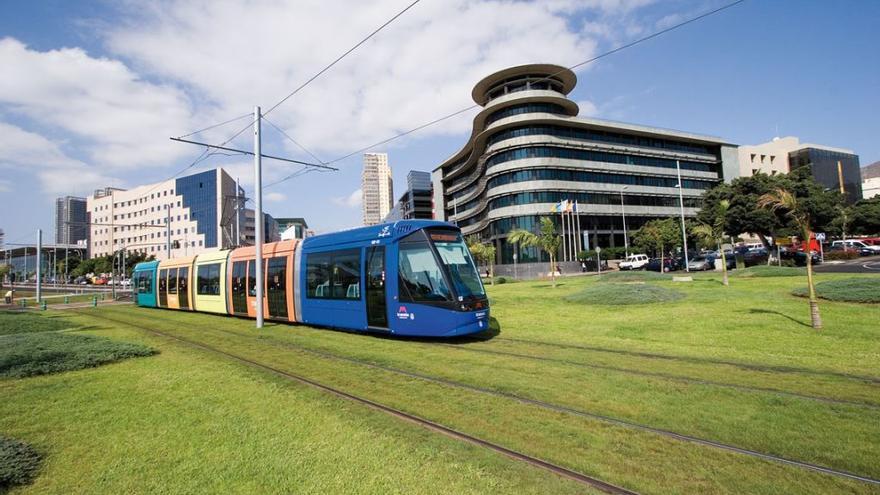
AI-Powered Driver Assistance System Enhances Tram Safety in Canary Islands
Researchers at the University of La Laguna have implemented an AI-powered driver assistance system across Tenerife’s tram network to enhance urban safety by detecting potential collisions in real time.
Artificial intelligence is making public transport safer in the Canary Islands. A new project, led by the University of La Laguna and the operator Metropolitano de Tenerife, has successfully installed a driver assistance system across the local tram network. According to the journal IEEE Transactions on Intelligent Transportation Systems, this technology is designed to help trams navigate busy urban areas more safely by avoiding collisions with pedestrians and road traffic.
The system uses "deep learning" neural networks—specifically an architecture known as YOLO (You Only Look Once)—to process video footage in real time. This allows the tram to "see" its surroundings using computer vision, identifying obstacles and traffic signals instantly. If the system detects a potential hazard, it immediately alerts the tram driver.
A multidisciplinary team of researchers developed the system using data from real-world scenarios in the island's metropolitan area. This training helps the software distinguish between harmless street furniture and genuine threats that require the driver's attention.
Beyond improving safety, the technology could make tram services more reliable by reducing accidents and unexpected delays. While the system is still being refined—researchers are currently working on improving its performance during bad weather and its ability to spot partially hidden objects—the results are promising.
Because the hardware is compact and energy-efficient, it could eventually be adapted for other public transport networks across the country. This project marks a significant step forward in the digitalization of urban mobility, showing how data can help manage city infrastructure more effectively.