
Administrative Hurdles Stall Restoration Efforts in Santa Cruz’s El Toscal Neighborhood
The restoration of Santa Cruz de Tenerife’s historic El Toscal neighborhood remains stalled by complex property ownership issues, strict heritage regulations, and administrative hurdles that have left parts of the area in a state of decay.
The effort to restore the El Toscal neighborhood in Santa Cruz de Tenerife is a story of two extremes, where grand urban plans are struggling to overcome administrative and heritage hurdles. Although a Special Protection Plan was approved last year, progress is inconsistent, leaving a clear divide between the renovated areas and those still in desperate need of repair.
The biggest challenge in restoring this protected historic site is tracking down property owners. Urban Planning Councilor Zaida González explains that because many properties are split among distant heirs, the city is often legally blocked from taking action. Unless a building poses an immediate danger—allowing the City Council to step in directly—the city’s hands are tied. Additionally, any private renovation must strictly follow the Special Plan’s rules, which require owners to preserve traditional architecture, original heights, and historic layouts. This makes the process both technically difficult and expensive.
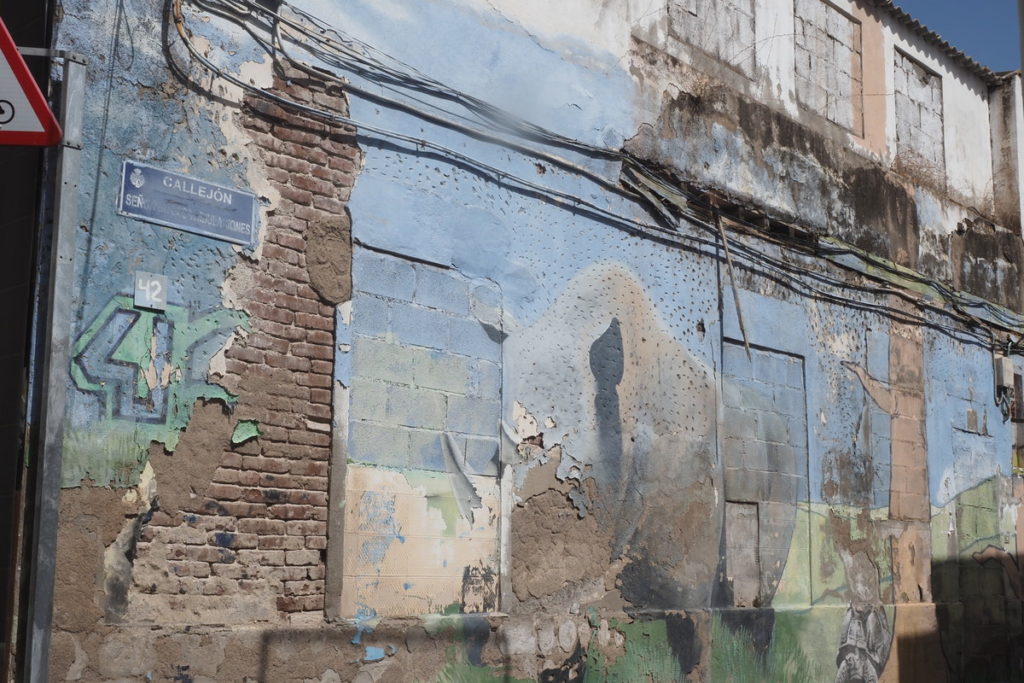
While streets like La Rosa and San Martín have been successfully updated, and officials are planning new projects like pedestrianizing the area around Casa Pisaca and building a public parking lot, other parts of the neighborhood are crumbling. On streets like Señor de las Tribulaciones, buildings are so damaged that safety netting has been installed to catch falling debris. Last year, the local district office tried to improve the area's appearance by covering ruined facades with decorative tarps. While this hides the decay, it does nothing to fix the underlying structural issues.
Two other factors complicate the situation. First, the official list of protected properties remains incomplete because inspectors often cannot get the necessary permission from owners to enter the buildings. Second, public projects require constant coordination between the Urban Planning Department, which handles expropriations, and the Works and Infrastructure team, which carries out the construction. So far, there has been little interest in using expropriation as a solution, leaving much of El Toscal’s historic character in a state of uncertain limbo.