
Administrative Delays Leave Santa Cruz Dining Hubs Vacant
Administrative delays, failed contract bids, and necessary structural repairs have forced the closure of several prominent dining venues and social hubs across Santa Cruz de Tenerife.
A wave of administrative delays is changing the face of Santa Cruz de Tenerife, as a series of closures hits popular dining spots that once served as the city’s social hubs. A combination of red tape, failed contract bids, and the need for structural repairs has left many of the capital's prime locations sitting empty.
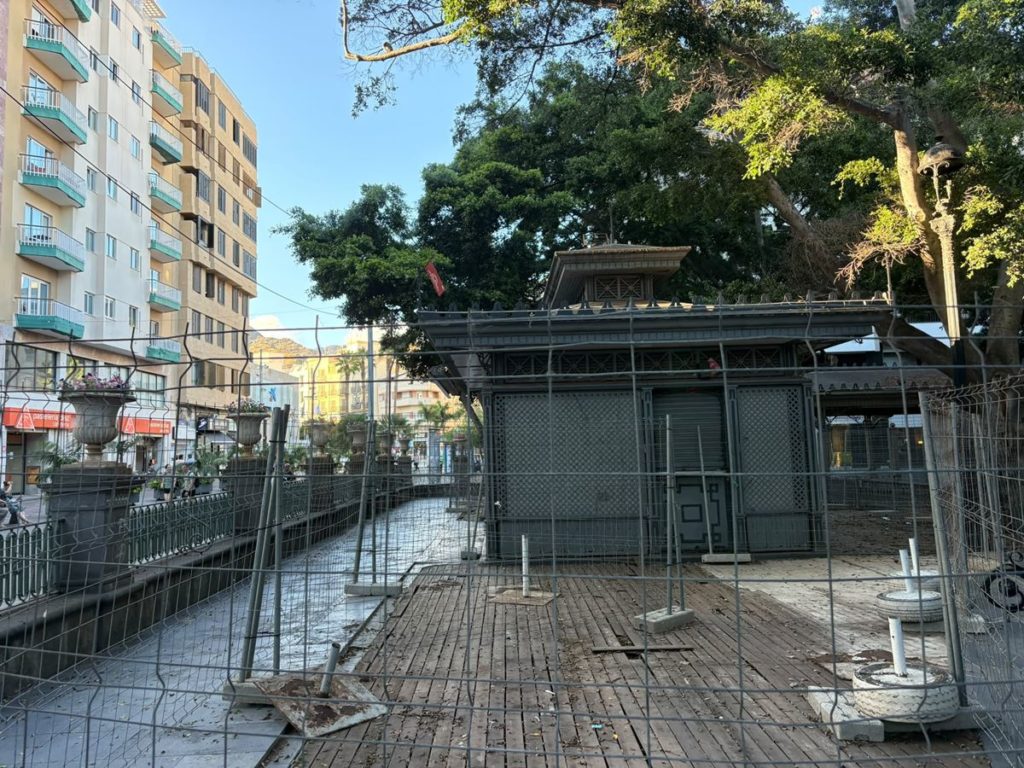
This issue stems from a mix of legal and technical hurdles. At Plaza Weyler, the City Council is working to award a new contract after the previous one expired, hoping to bring life back to this busy transport and shopping area. Meanwhile, the situation at García Sanabria Park is more difficult; efforts to find a new operator for the former Strasse Park failed when no one submitted a bid, leaving the site to deteriorate and drawing complaints from locals. A similar sense of uncertainty surrounds the Plaza del Príncipe, where the current concession doesn't expire until 2026, yet the site remains closed and neglected.
Managing public property in Santa Cruz also requires significant renovation work. On Avenida Tres de Mayo, the plaza near El Corte Inglés is set for a 1.5 million euro overhaul. The nine-month project will fix structural issues and leaks in the underground parking garage, while also removing the existing kiosk to make room for a new commercial space that will be put out to tender later.
Elsewhere, two dining venues near the Auditorio and Parque Marítimo remain closed with no clear plan for their future. Don Quijote Park is also on the list; despite recent upgrades to the grounds, the premises remain shut, even after the city tried to tender the site in April 2023 following a previous failed attempt in 2019.
These closures highlight the ongoing struggle for local government to balance commercial use of public spaces with the need to maintain urban quality. Strict public contract laws often create delays that clash with the needs of local businesses. For these social hubs to reopen, the City Council must not only clear the administrative backlog but also make these tenders attractive enough for businesses that require realistic economic conditions to succeed.