
Adeje Official Combats Misinformation to Protect Canary Islands' Reputation
Adeje City Council’s communications officer Cliodna O’Flynn is countering sensationalist British media narratives in the Canary Islands through a strategic, bilingual information campaign that prioritizes accuracy and institutional transparency.
In popular tourist destinations like Adeje, managing information has become a strategic priority in our hyper-connected world. As reported by Diario de Avisos, Cliodna O’Flynn—the English-language communications officer for the municipality—has become a vital figure in countering the misinformation and sensationalism often found in British press coverage of the Canary Islands.
O’Flynn, an Irish journalist who previously worked for Ireland’s public broadcaster, represents a new approach to local government. Since moving to Tenerife in 1999 and joining the Adeje City Council 14 years ago, she has built a network of institutional channels, including blogs, social media, and radio segments, to reach a floating population of over 100,000 English speakers. This communication strategy does more than share service updates; it acts as a defense against distorted narratives, such as recent rumors regarding anti-tourism sentiment following local protests.
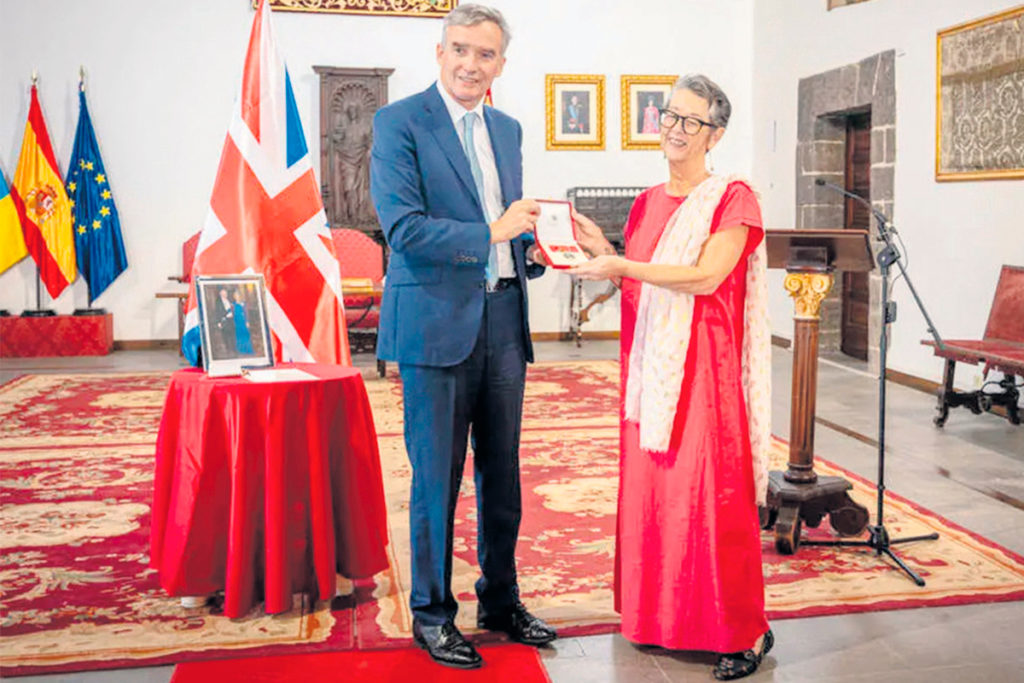
Her work has earned recognition from the British Embassy, which awarded her the British Empire Medal two years ago. This honor highlights the importance of bilingual communication in areas where more than half the population is foreign. However, O’Flynn notes that while misinformation is a constant hurdle, some issues are genuine—such as the frustration caused by technical problems with automated airport border controls.
O’Flynn’s background also provides insight into the complexities of post-Brexit relations. Having covered the 2016 referendum, she points to a lack of institutional foresight in the UK as a major cause of the subsequent crisis. Today, her work serves as a reliable guide for how the British public perceives the Canary Islands. Whether addressing health concerns on cruise ships or security incidents, she prioritizes accuracy over the speed favored by tabloid media. Ultimately, her role shows how local "information diplomacy" has become essential for protecting the reputation of a destination that remains under constant international scrutiny.