
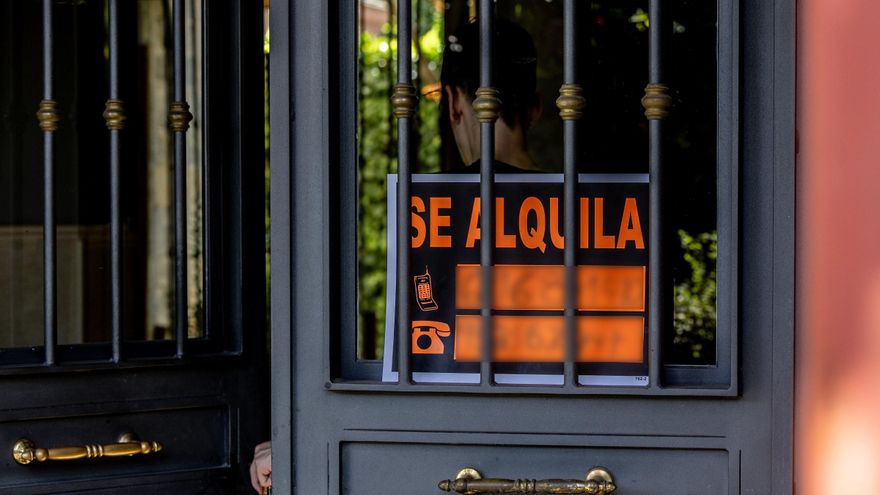
Additional Rental Guarantees Legal, Tenerife Experts Confirm
Tenerife legal experts clarify that landlords can legally request an additional guarantee beyond the standard deposit in rental agreements, provided both parties agree and the amount is reasonable.
Landlords often have many questions when renting out their homes, especially about protecting themselves from unpaid rent or property damage, and what guarantees tenants should provide. Now, a common question in this area has been clarified by Tenerife lawyer Juan David Cruz Torres, along with real estate advisor Mariela González.
In a video shared on social media, Mariela González and Juan David Cruz explain something that many people find confusing: Can landlords ask for an extra guarantee beyond the standard deposit when signing a rental agreement? Many tenants don't know the rules and think this practice is illegal, so they question it and refuse to pay this additional amount when asked.
With a big increase in demand for rental homes across the Canary Islands, landlords are looking for ways to protect themselves. As Cruz explains, "it's normal for landlords to be afraid to rent, precisely because of non-payment or because their apartment might be destroyed."
More and more landlords are now using these extra guarantees alongside the usual security deposit. The security deposit is mandatory and set by the Urban Leases Law. For homes, one month's rent is required as a deposit, while for commercial properties, it's two months. This deposit is meant to cover damages or defects when the contract ends, as well as any potential unpaid rent.
Beyond this standard payment, many contracts now include an 'Additional Guarantee'. This is an extra deposit that the tenant gives the landlord to cover possible problems, such as not paying rent or damaging the property, going beyond what the mandatory legal deposit covers.
The main difference between the two is that the standard security deposit is required by law, while the additional guarantee must be agreed upon by both the landlord and the tenant. Lawyer Juan David Cruz explains the legal limits and how this system actually works.
Landlords are looking for legal tools to feel secure in a market where tenants change often and available housing is scarce. The Urban Leases Law allows landlords and tenants to agree on these extra guarantees, as long as the amount is reasonable and fair to prevent abuse. This is becoming a more common practice, especially for highly sought-after properties or for tenants who don't have a permanent employment contract.
The lawyer explains that this extra payment doesn't have a fixed amount or duration: "An additional guarantee can be requested. This can be one month, two months, whatever the parties freely agree upon." This extra deposit can be used to cover unpaid rent, but also to pay for damages not covered by the standard security deposit, provided it is clearly stated in the contract.
This concept of an additional guarantee, separate from the security deposit, offers legal certainty to both landlords and those looking for a home in an increasingly competitive market. So, if you see 'Additional Guarantee' in a rental contract, don't be alarmed; it is legal to include it, as long as the amount isn't excessive.