
Acuaes Advances €2.09 Million Tender for Arona Wastewater Plant Infrastructure
Acuaes has authorized a €2.09 million tender for inlet pipes at the Montaña Reverón wastewater plant, marking a critical step toward resolving long-standing sanitation issues and meeting EU standards by 2028.
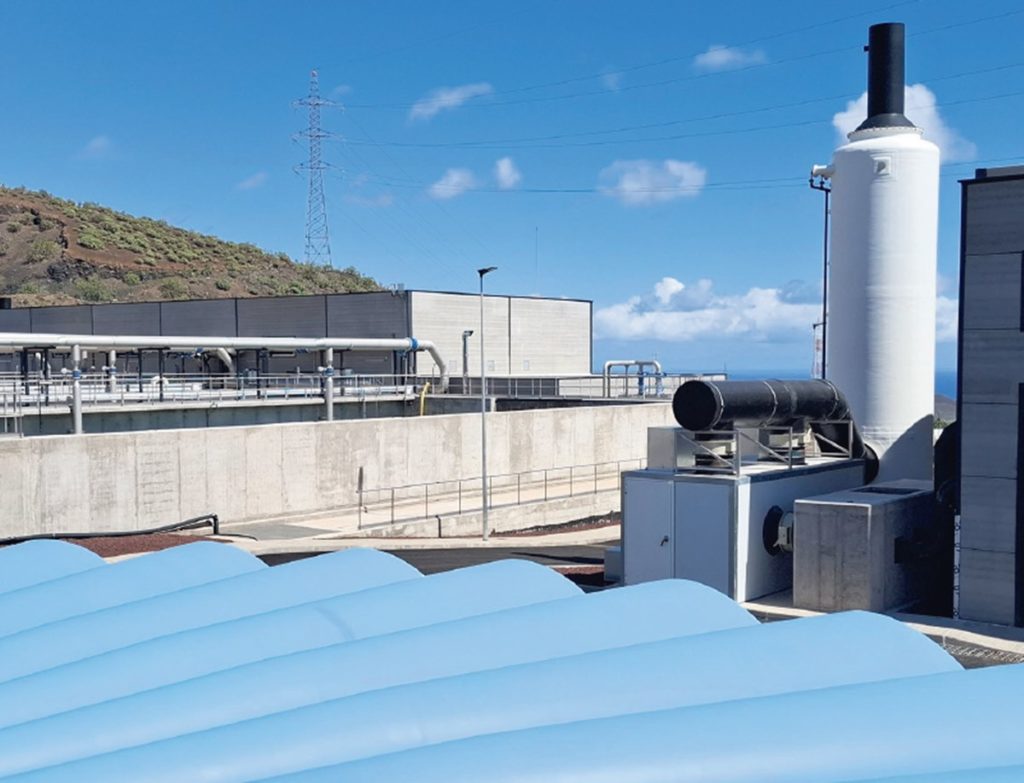
The Montaña Reverón wastewater treatment plant in Arona is moving into a critical stage following a new agreement by the board of Aguas de las Cuencas de España (Acuaes). The state agency has authorized a tender worth over 2.09 million euros to build the facility's inlet pipes, a project expected to take five months. This is a vital step toward fixing long-standing water infrastructure shortages in the region.
This project is about more than just construction; it is essential for meeting European Union standards. Poor wastewater management in Tenerife has previously led to rulings against Spain by the Court of Justice of the European Union. Once finished, the plant will process 24,000 cubic meters of water daily, serving a population of 233,000. It is the primary solution to illegal discharges that have triggered roughly fifteen legal cases against the municipalities of Arona and San Miguel.
Acuaes expects to begin operational testing in the summer of 2027, with the plant becoming fully functional the following year. This timeline depends on connecting various local networks, including El Fraile, Las Galletas, Costa del Silencio, Guaza, Las Chafiras, Amarilla Golf, Golf del Sur, and eventually Vilaflor. Progress on these connections varies: work in Arona and San Miguel is over 70% and 60% complete, respectively, while the El Palm-Mar area is still in the early stages at 25%.
The 30-million-euro project has faced significant technical and administrative hurdles since it was first declared a project of general interest in 2001. Challenges have included unexpected underground utility lines and conflicts with other large-scale developments. Now, the final steps involve securing approval from the Canary Islands' energy department for the electrical infrastructure and finishing the inlet pipes. Once complete, the plant will provide comprehensive sanitation for the region and supply treated water for agricultural irrigation at the San Lorenzo reservoir.