
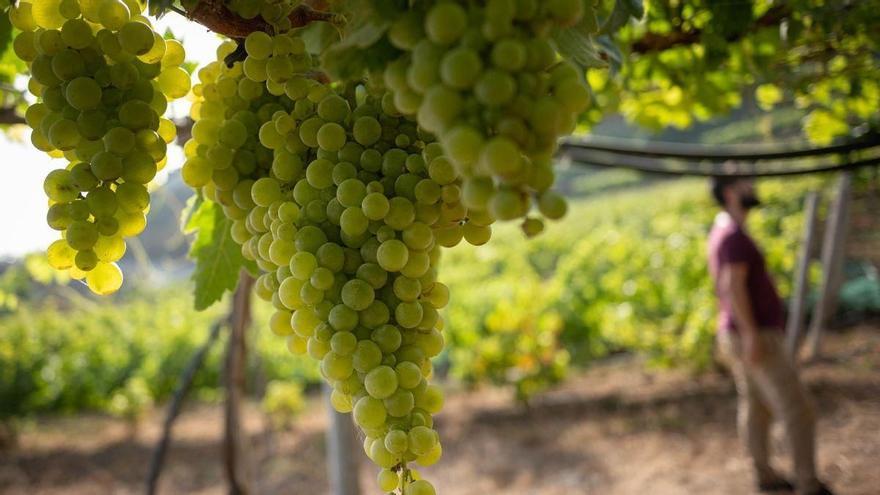
A new phylloxera outbreak has been detected in the Canary Islands, threatening local vineyards.
A new outbreak of phylloxera has been discovered in the Canary Islands, specifically in Tenerife, threatening unique local grape varieties and requiring increased control over plant imports.
A new outbreak of phylloxera, a grape pest, has been discovered in the Canary Islands. It was found in the La Orotava Valley in Tenerife, on uncultivated land near El Rincón. This was announced by Narvay Quintero, the Minister of Agriculture, at a meeting in parliament. He urged people not to panic, as this is not a fresh outbreak.
It is not known exactly how long phylloxera has been there – it could be two months, or it could be five years. Quintero acknowledged that the Canary Islands are only just beginning to fight this pest, and it is not yet known how serious the situation is.
He added that in Europe, people are used to phylloxera, so few people deal with it. However, for the Canary Islands, this disease could be very dangerous for the local nature.
Phylloxera is a tiny insect that damages the roots and leaves of grapes. Because of it, plants weaken and die. Its appearance on the islands is very worrying for winegrowers, as unique grape varieties grow here that are found nowhere else in the world.
The government of the Canary Islands has checked over 5,100 locations to find affected areas. About 250 checks were carried out directly in the vineyards. Experts have noticed that in Tenerife, phylloxera behaves strangely – it only affects the leaves, not the roots, as usual.
Quintero said that he had contacted the Spanish Ministry of Agriculture to request more people and equipment for border checks. He also proposes to update the rules for dealing with the pest and to conduct awareness campaigns in ports and airports so that people know how dangerous it is to import plants without permission.
He stressed that those who violate the rules for importing plants must be severely punished. "Some people know the rules, but still break them. Others bring seedlings from abroad, not realizing that they can bring in pests such as moths or phylloxera," Quintero explained.
Raúl Acosta, a member of parliament, believes that the new focus of phylloxera is a serious signal. He recalled that phylloxera is a "silent pest" that harms not only vineyards, but also the entire culture and economy associated with viticulture.
Acosta and Quintero agreed that the government of the Canary Islands should cooperate better with local councils and tell people more about this threat. "During the COVID-19 pandemic, people followed the rules when they understood the risk. The same needs to be done with phylloxera," the deputy noted.